Baking bread isn’t just a kitchen activity, it’s a mini escape to a slower pace of life, where simple ingredients can transform into something magical. Trust me, it’s far more than flour, yeast, and water. It’s comfort. It’s warmth. And lately, it’s become one way of reclaiming control over my health.
Last fall, I was diagnosed with diabetes, a wake-up call that made me reevaluate my eating habits. As much as I adore bread (who doesn’t?), the highly processed loaves from the grocery store were doing me no favors. One culprit? Excess oils and sugars; the stealthy villain in so many foods. My blood sugar reacts to some of these ingredients like a toddler after Halloween candy. So, I took matters into my own hands, literally, and learned to bake my own bread.
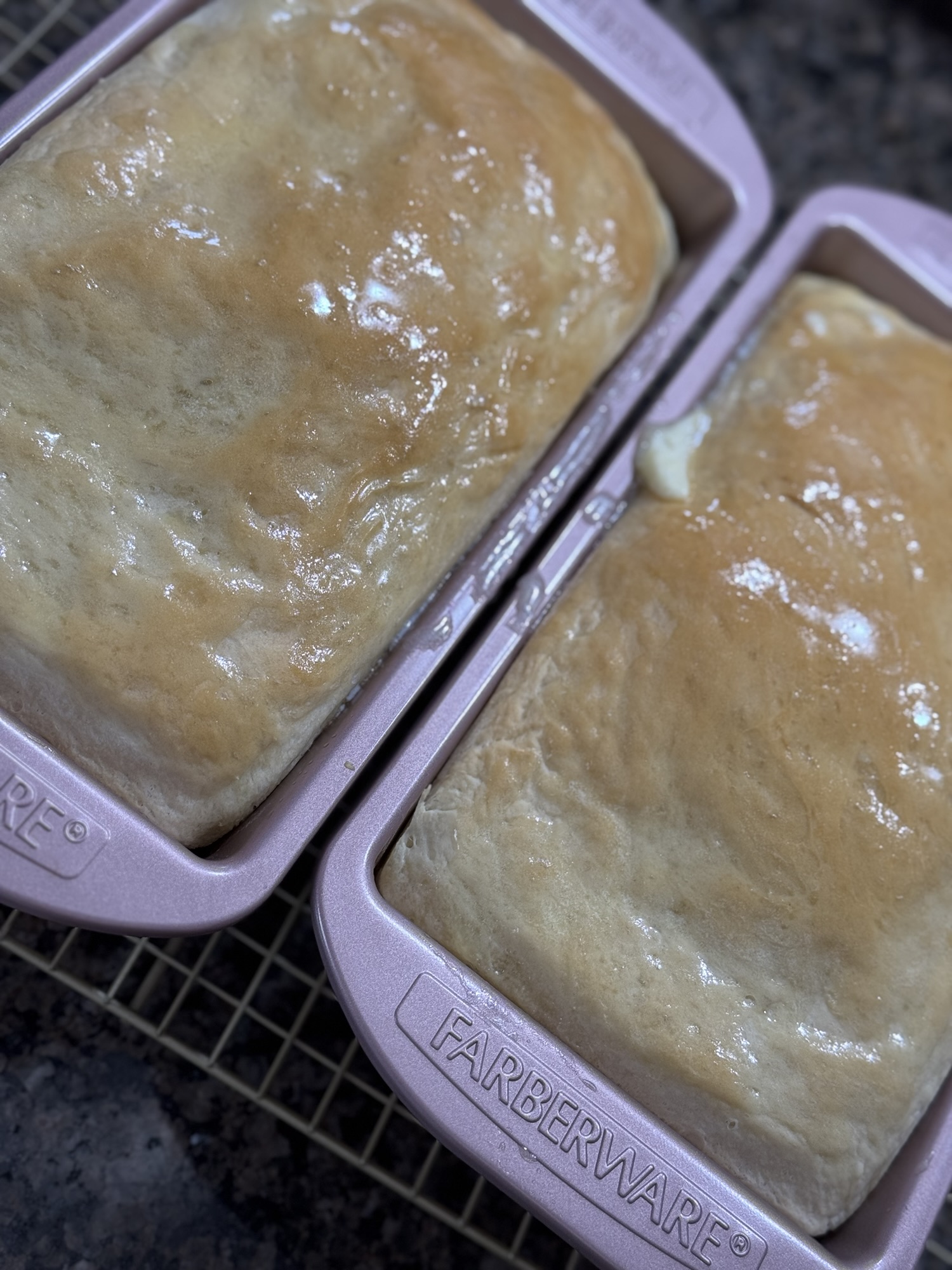
Before you start imagining a complicated, Martha Stewart-level process, let me stop you right there. Baking bread is surprisingly straightforward. Sure, it takes time because the dough has to rise (patience, my friends!), but the recipe itself is as simple as can be. And here’s the kicker: every single ingredient is pronounceable. No preservatives. No mystery chemicals. Just the good stuff: water, yeast, honey, butter, flour, and salt. That’s it! Six wholesome ingredients, and none of them will make your blood sugar throw a tantrum.
What is in an average loaf of bread from the grocery store? Enriched Flour (Wheat Flour, Malted Barley Flour, Niacin, Reduced Iron, Thiamin Mononitrate, Riboflavin, Folic Acid), Water, Yeast, Sugar, Contains less than 2% of each of the following: Soybean Oil, Salt, Cultured Wheat Flour, Whole Wheat Flour, Distilled Monoglycerides, Vegetable Oil (Contains one or more of the following: Canola Oil, Soybean Oil, High Oleic Soybean Oil), Guar Gum, Wheat Flour, Hydrogenated Soybean Oil, Vinegar, Enzymes, Vitamin D2 Bakers Yeast, Ascorbic Acid (Dough Conditioner), and Sunflower Lecithin.
See the difference?
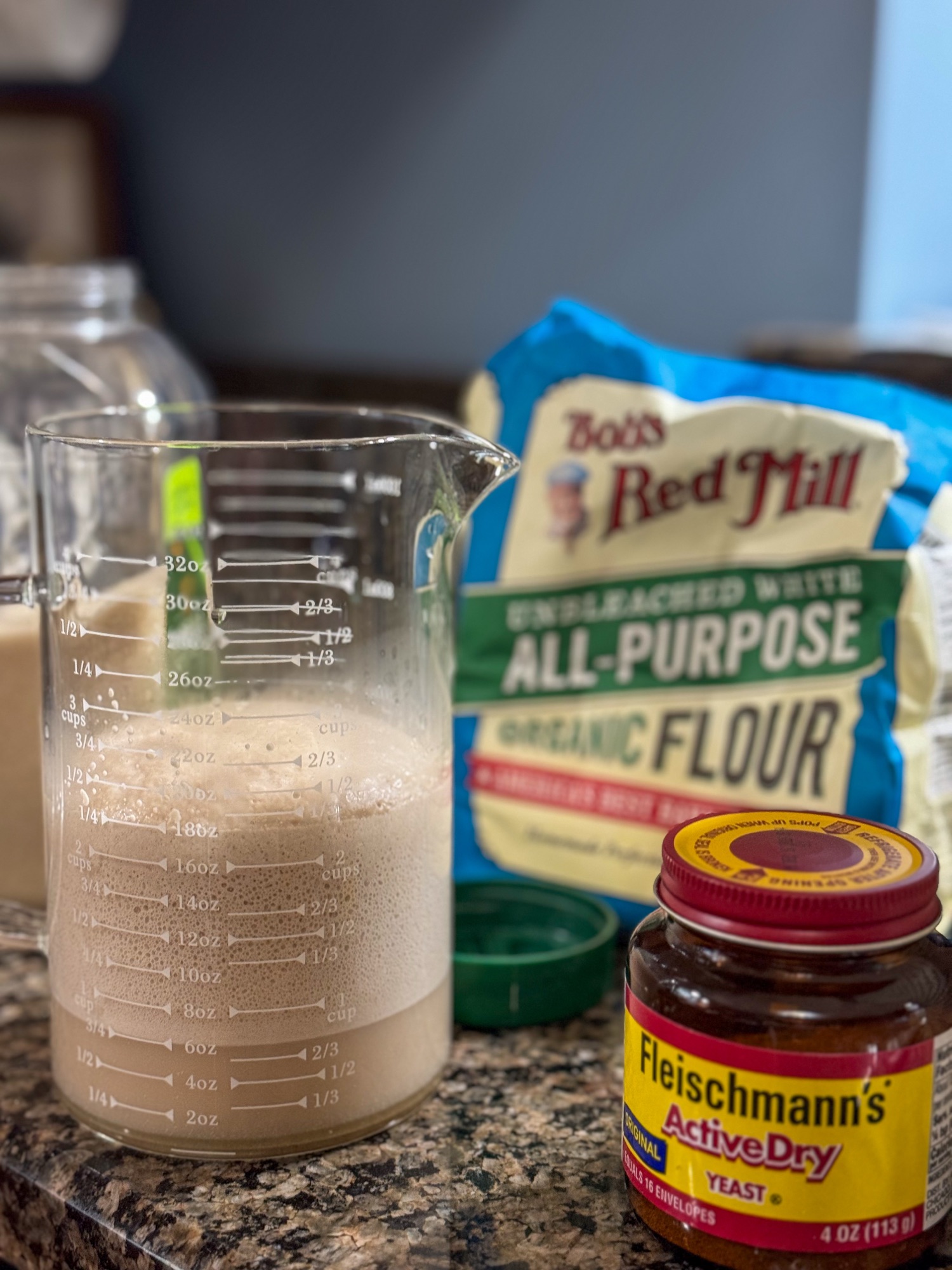
But here’s the fun part… I’ve taken it a step further. To make my bread truly mine, I use the best ingredients I can find. Organic flour, free of additives (Bob’s Red Mill is the “cleanest” I can find locally). Local honey (because supporting neighbors is just good karma). And my homemade butter (cream from a nearby dairy, because who doesn’t like fresh butter?) because, why not go all-in? It’s a little slice of luxury, and every bite feels like a victory for both my taste buds and my health.
I’ve learned a few tips and tricks when baking bread. First, unlike working with pastry like pie crust, warmth is necessary in baking bread. Warmth is what aids the rising process. Second, the water in which you add your yeast should be warm, and if your yeast isn’t quite foamy and thick in appearance after fifteen minutes, throw it out and start over. Always check the expiration date on your ingredients as well. There are some things you can use slightly expired, but yeast is not one of those. It will likely fail you. Third, when you are mixing your dough in a stand mixer, pause while it mixes to scrape dough flour from the sides and bottom of the bowl. Everything should be thoroughly incorporated into your mixture so that you don’t have dry pockets in your loaf. Finally, when you let your dough rise, the area you set your bowl or pan should also be warm; not hot but warm. I like to cover my dough and place it in the oven with the light on before I preheat to cook. I always completely preheat my oven before putting the bread in, then set my timer for thirty minutes while it bakes.
This bread is a game-changer in my kitchen. I love slicing it up for breakfast sandwiches or toasting it to golden perfection. Sometimes, I skip the toppings and just enjoy the pure, unadulterated joy of a freshly baked slice. I don’t bake it every week, moderation is key, but it’s comforting to know that I can indulge responsibly in this delightful food that’s so central to our lives.
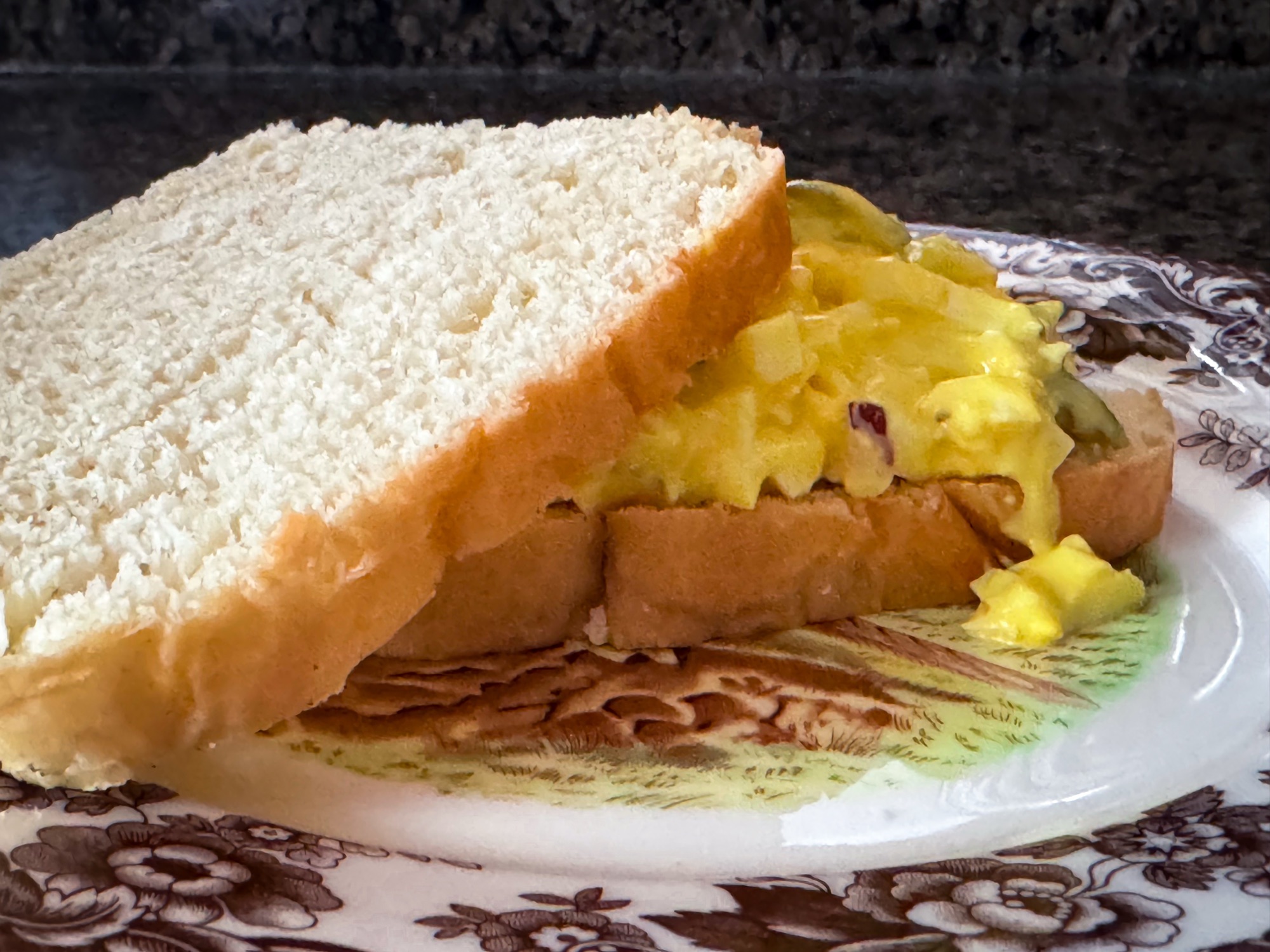
Baking bread has become more than a skill, it’s a ritual. It’s about reconnecting with what I eat and understanding that food doesn’t have to be complicated to be nourishing. With a little love and patience (and a willingness to get flour on absolutely everything), homemade bread has earned its rightful place in my life, and honestly, I couldn’t be happier about it.
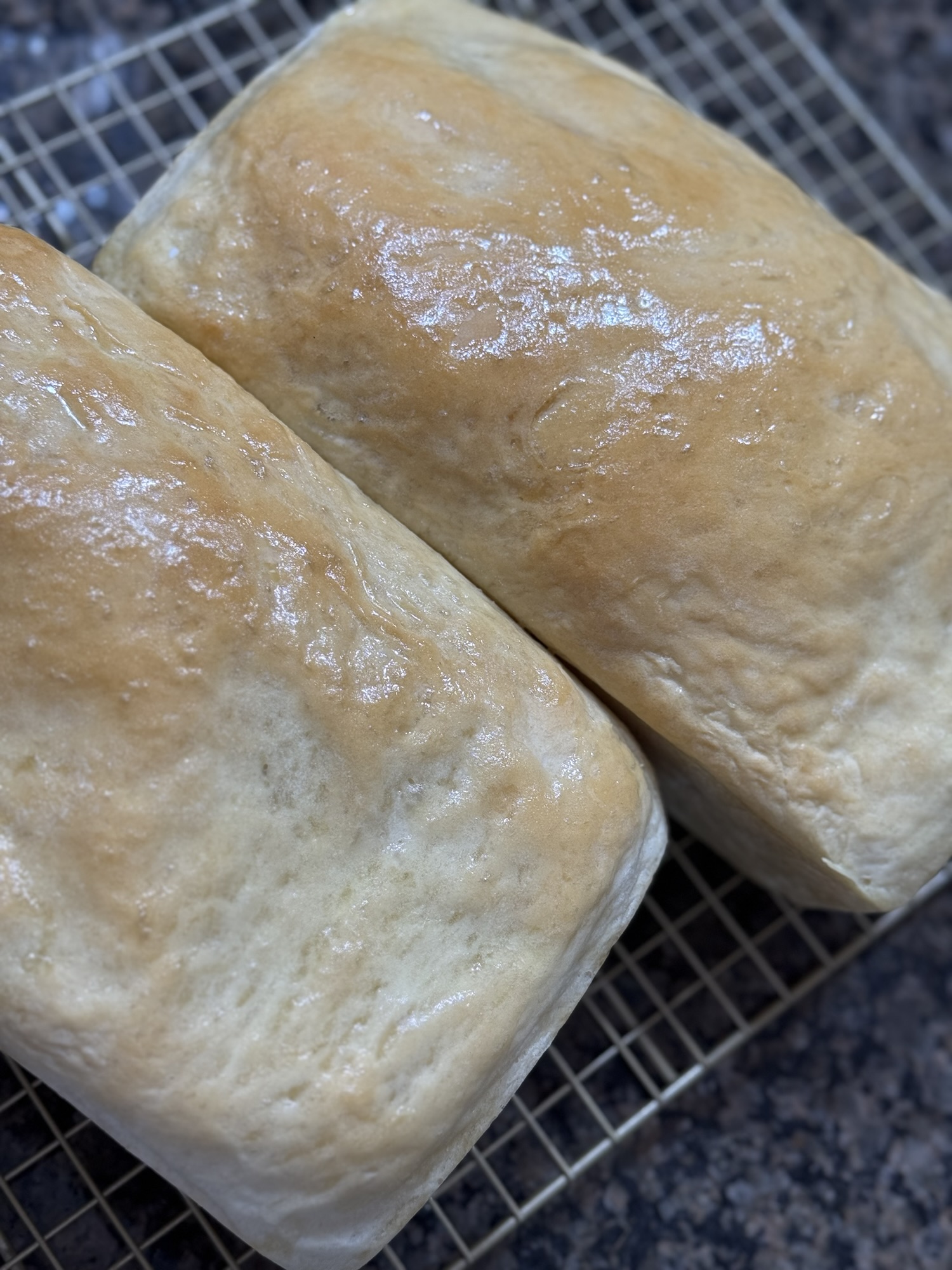
Check out my easy recipe below, or click here for my Simple Everyday Bread Recipe , and let me know how you like it!
Simple Everyday Bread Recipe
Makes 2 Loaves
Ingredients:
1 Tablespoon Yeast
¼ Cup Honey
2 Cups Warm Water
3 Tablespoons Butter, melted
2 Teaspoons Salt
Up to 5 ½ Cups All-Purpose Flour
Olive Oil for greasing
Directions:
In a mixing bowl, combine the warm water, yeast, and honey; swirl to combine. Let sit until foamy. This shouldn’t take more than 10 minutes.
When your yeast mixture is ready, add 3 TBSP butter, 2 tsp. salt, and begin adding the flour, kneading until all is thoroughly combined. If you are using a Kitchen Aid type mixer, the dough will ball up around your dough hook. Shape the dough into a ball.
Add a drizzle of olive oil to your dough bowl and place the ball of dough into it, covering and letting rise for 2 ½ hours. I usually put mine in the oven with the light on.
When dough has over doubled in size, remove from bowl, and turn out on a floured surface. Split the dough in half and knead each half. Smooth olive oil into your bread pans, then shape your dough to fit in each pan. Cover and let rise 30 minutes.
While your dough rises, preheat your oven to 350.
After dough has risen again, bake for 30 minutes. Rub butter over the top.
Let cool, slice, and serve!

 Seasons at Rosebriar
Leave a comment